Why Flaring is Important in PTFE-Lined Piping Systems
Sealing function: PTFE liners inside steel pipes are flared (spread outward) at the ends so they can be compressed between the steel flanges.
Leak-proof joint: PTFE itself is soft and chemically inert, so the flare acts as the sealing face preventing fluid from contacting the steel.
Mechanical holding: Prevents liner pull-back during service (thermal expansion, vacuum, or pressure).
Corrosion resistance: By covering the flange face with PTFE, it ensures the metal never comes in contact with corrosive media.
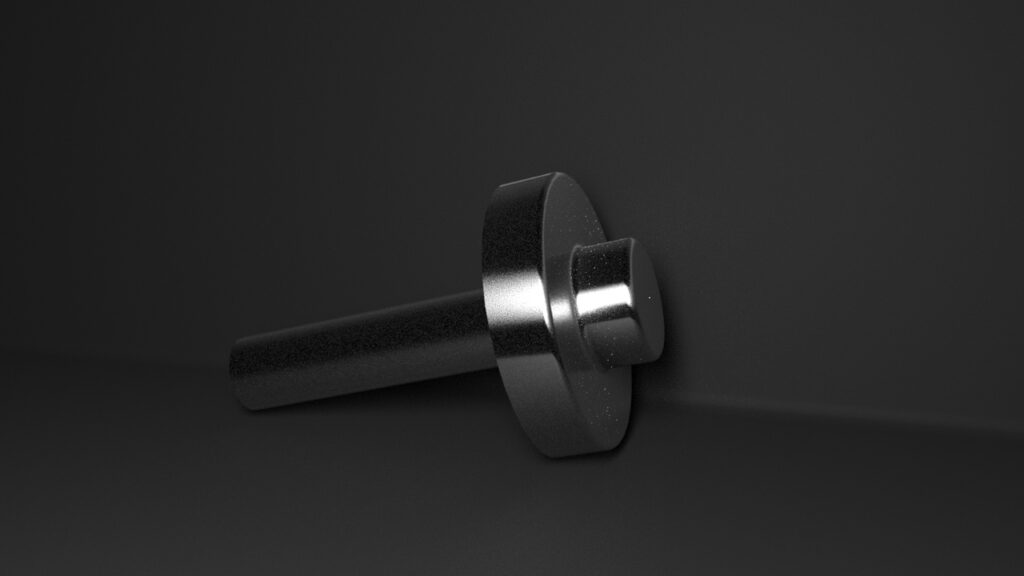
Process of PTFE Flaring
The PTFE liner is inserted inside a steel pipe/spool. Heat is applied to soften the PTFE end. A flaring tool (mandrel + die system) expands the PTFE outward. After cooling, the PTFE maintains the shape due to its “memory” effect after recrystallization.
Methods of Flaring
Hydraulic Press + Flaring Tool
Controlled load ensures uniform flare.
Manual / Pneumatic Flaring Tool
Portable hand-operated or pneumatic machines.
Hot Forming + Cooling Jig
PTFE is heated and flared, then cooled in a controlled fixture to avoid warpage.
Challenges in PTFE Flaring
Cold flow / creep: PTFE tends to deform under load → must ensure proper compression ratio.
Cracking: Overheating or wrong die angle causes micro-cracks.
Uneven flare: Due to non-uniform heating or tool misalignment.
Pull-back: If flare depth is insufficient, liner can retract during thermal cycling.
Tool Designing for PTFE Flaring
PTFE Tech specializes in the design and manufacture of precision PTFE flaring tools for PTFE-lined pipes and fittings used in chemical, pharmaceutical, and process industries.
The company provides complete technology transfer solutions for PTFE flaring, including tool design, machine setup, and process training.
With extensive experience in PTFE processing and liner end forming, PTFE Tech ensures leak-proof and reliable joint performance through optimized flaring tool geometry.
Their flaring technology covers a wide range of sizes—from 2” to 24”—with both manual and hydraulic systems designed for consistent results.
PTFE Tech supports clients in developing in-house PTFE flaring capability by offering solutions, detailed drawings, and process know-how for efficient production.